What Life in Guaynabo Puerto Rico Is Really Like
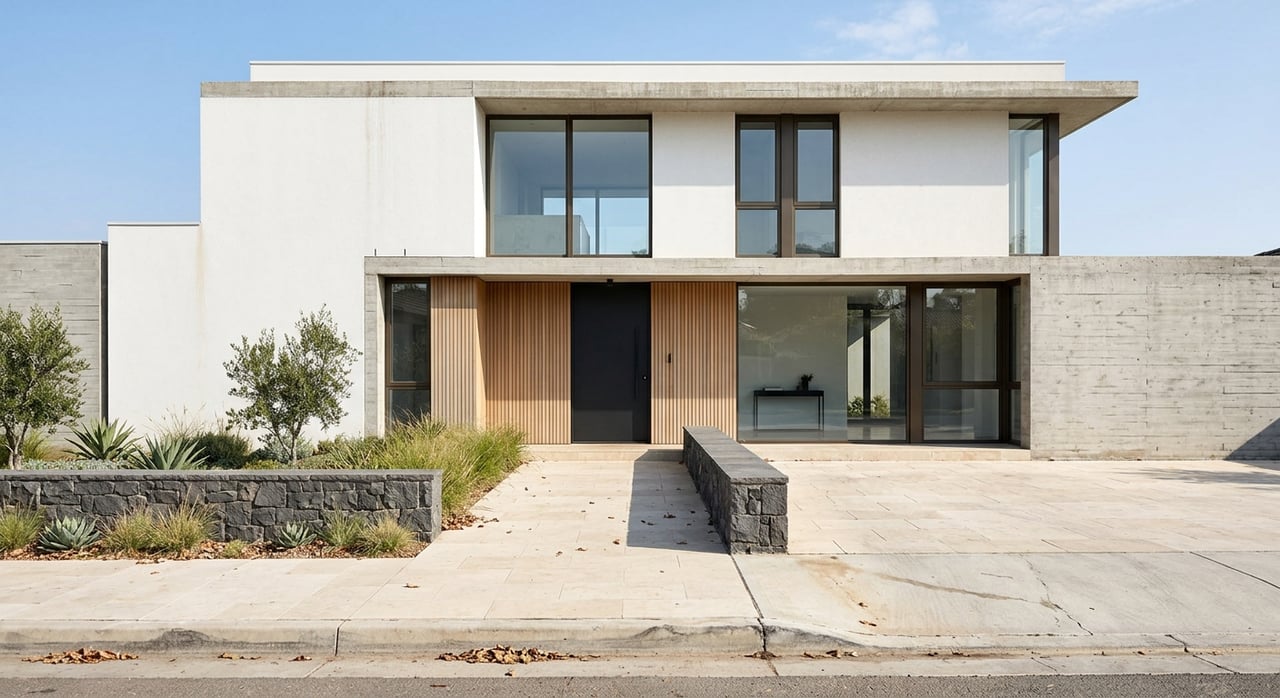
Looking for a place that feels connected without feeling crowded? In Guaynabo, everyday life often lands in that sweet spot. You get a suburban rhythm, steady residential areas, practical shopping and dining, and access to major routes that keep the rest of the metro area within reach. If you are thinking about moving, investing, or simply getting to know the area better, this guide will help you picture what daily living in Guaynabo’s suburban neighborhoods can really look like. Let’s dive in.
Guaynabo is part of the San Juan metro area, but it does not read like a purely urban environment. Puerto Rico’s municipal information places it between San Juan, Bayamón, Aguas Buenas, and Cataño, which helps explain why it feels connected to several parts of the region at once.
That balance shows up in the numbers too. The municipality had 89,780 residents in 2020, with an estimated 89,055 in 2025 across 27.59 square miles. With a density of 3,254.7 people per square mile, Guaynabo feels active and established, but not overwhelmingly dense.
Its housing profile adds to that suburban character. Census data shows a 72.4% owner-occupied housing rate, and 93.5% of residents lived in the same home one year earlier. Those figures suggest a place where many people put down roots and stay.
One of the biggest draws of Guaynabo is how practical daily life can feel. You are not relying on a single downtown core for everything. Instead, many errands, meals, and routines are spread across neighborhood corridors and local commercial pockets.
That pattern is visible in the city’s planning areas, which include Centro Tradicional, Esmeralda, Amelia, Hato Nuevo, La Muda, and a special plan for Torrimar. In real life, that means daily movement often revolves around smaller neighborhood centers rather than one central hub.
For many buyers, that matters. It can make the area feel more manageable, especially if you value being close to groceries, services, dining, or transit options without needing to cross the metro for every task.
Guaynabo works well for people who want suburban living with strong regional access. The municipality highlights direct connections to major roads and highways, along with close proximity to San Juan and Luis Muñoz Marín International Airport.
Commute data supports that picture. The average travel time to work is 24.5 minutes, which helps frame Guaynabo as a municipality where many residents can stay connected to jobs and services across the metro while still living in more residential settings.
Public transportation is part of the mix too. The Tren Urbano operates 16 stations across San Juan, Guaynabo, and Bayamón, with daily service from 5:30 a.m. to 11:30 p.m. That gives some households another option beyond driving.
Guaynabo also runs municipal collective transportation on weekdays and Saturdays. Routes serve areas including Amelia, Esmeralda, Torrimar, Guaraguao, Piedras Blancas, Canta Gallo and Santa Rosa, Mamey, Barrio Río, Camarones, and Hato Nuevo.
If you want one good example of how Guaynabo functions day to day, look at the Esmeralda corridor. The municipal Esmeralda route begins at the Martínez Nadal Tren Urbano terminal and passes Avenida Esmeralda, Shopping Alejandrino, Hospital Medical Mall, Plaza del Comerciante, and nearby residential streets and urbanizaciones.
That kind of layout tells you a lot about the local experience. Residential areas, health services, shopping, and transit are often tied together along practical corridors. For many residents, that means less separation between where you live and where you handle daily routines.
Guaynabo supports more than a commuter lifestyle. Census figures show 44,720 jobs and $1.88 billion in retail sales in 2023, which helps explain why the municipality functions as a destination for work, shopping, and services, not just a place to sleep at night.
San Patricio Plaza remains one of the best-known anchors in the city. Open since 1964, it includes a mix of national and local stores, restaurants, cinemas, and entertainment. Plaza Caparra is also listed by the municipality as an everyday landmark, reinforcing the idea that shopping is built into local routines.
Dining is another part of Guaynabo’s identity. The municipality describes Avenida Esmeralda as the city’s main gastronomic center, with more than 30 restaurants plus bars, bakeries, pastry shops, a market square, and butcher shops.
The range of cuisine is broad, including Puerto Rican, Italian, Mexican, Cuban, Peruvian, Colombian, Asian, and fusion options. For you as a buyer or renter, that variety can make a neighborhood feel more livable because casual meals, coffee stops, and dinner plans stay close to home.
What makes Guaynabo especially appealing is that convenience is not limited to one corridor. The municipal Taste Guaynabo directory shows dining and retail options in places like Altamira Shopping Center, PR-834 in Barrio Río and La Muda, and Urb. Parkside.
That tells a useful story for anyone comparing areas within the municipality. Some neighborhoods may feel quieter or more residential, while still keeping you close to practical services and local businesses. In suburban living, that kind of convenience often matters as much as square footage.
Guaynabo is not one-size-fits-all. According to the municipal territorial plan, the housing stock includes urbanizaciones, condominios, residenciales públicos, sectores, and comunidades. That mix gives buyers and residents a wider set of options than the phrase “suburban neighborhood” might suggest.
You will also find clear submarkets within the municipality. Condominium development is concentrated in Caparra and San Patricio, with another notable cluster near Lomas Verdes and Las Cumbres. Some areas also include low-rise walk-up apartment buildings.
That variety matters whether you are searching for a larger residential property, a condo with easier upkeep, or an investment-minded purchase in a well-connected area. It also means your day-to-day experience can differ meaningfully from one part of Guaynabo to another.
Part of Guaynabo’s suburban appeal comes from its pattern of planned and established residential areas. Municipal planning documents point to neighborhoods accessed through corridors like Avenida San Ignacio, including Prados del Monte, Ridge Top, Artesia, Praderas, and Finca Elena.
Taken together, these examples support a picture of Guaynabo as a municipality with gated and planned neighborhoods, condo pockets, and residential streets that connect back to parks, shopping, and transit. It feels organized in a way many buyers appreciate, especially those relocating from denser urban environments.
Suburban living is not just about homes and roads. It is also about having room to step outside your routine. In Guaynabo, green space plays a visible role in that lifestyle.
Parque Forestal La Marquesa is one of the best-known outdoor destinations in the municipality. The city describes it as a renovated forest park with trails, panoramic views, family play areas, and a cable car. That gives residents access to a more nature-oriented setting without leaving the municipality.
Guaynabo also lists neighborhood-scale parks and open spaces such as Parque Torrimar, Parque Moisés García, Málaga Park, and a passive park on Avenida San Patricio. These kinds of spaces add to the suburban feel by giving different areas their own outdoor anchors.
In practical terms, living in Guaynabo often means your week is shaped by neighborhood routines. You may start your morning near a residential street, run errands along a commercial corridor, meet friends on Avenida Esmeralda, and still have a manageable commute into another part of the metro.
That blend is a major reason buyers stay interested in the area. Census data shows strong residential stability, and the housing mix gives you multiple ways to live here depending on your needs and budget. Guaynabo offers a suburban setting that still feels plugged into the larger San Juan region.
For relocators and buyers comparing municipalities, that middle ground can be especially appealing. You get established neighborhoods, strong access, practical retail, and recognizable lifestyle hubs, all within a municipality that functions as more than just a bedroom community.
If you are drawn to suburban living but still want access to the metro, Guaynabo deserves a close look. Its appeal comes from the combination of stable residential areas, mixed housing choices, neighborhood parks, shopping anchors, dining corridors, and transportation connections.
The right fit will depend on what matters most to you. Some buyers may prioritize condo access near Caparra or San Patricio, while others may prefer established urbanizaciones tied to major residential corridors. Either way, it helps to evaluate not just the property, but also the everyday pattern of life around it.
If you are exploring Guaynabo as your next move, working with a local team can help you compare neighborhoods, understand the housing mix, and narrow in on the kind of daily lifestyle you want. To start your search with concierge-level guidance, connect with ARK Real Estate LLC (ARK Real Estate).
Stay up to date on the latest real estate trends.
We work with clients and properties all over Puerto Rico, including the islands of Vieques and Culebra, which helps us stand out. We believe having a vast reach and making these connections are important for us to give the best options to our clients.