Buying A Second Home In Rio Grande’s Resort Communities
A second home in Río Grande can look like the best of Puerto Rico in one place: beach access, resort amenities, and quick reach to El Yunque and San Juan. If you are dreaming about a property you can enjoy for getaways, long weekends, or part of the year, it helps to know that not every resort community works the same way. This guide will walk you through the main ownership options, the costs to plan for, and the due diligence that matters most before you buy. Let’s dive in.
Río Grande sits on Puerto Rico’s northeast coast, east of the San Juan metro area and close to El Yunque. It is often seen as a practical second-home destination because you get a resort setting with nature access and relatively easy airport connectivity.
For many buyers, that combination is the draw. You are not necessarily buying into a full-time urban lifestyle. Instead, you are choosing a place that supports weekends away, seasonal use, and a more relaxed resort experience.
One of the most important things to understand is that Río Grande’s resort corridor is not one-size-fits-all. The communities here can feel very different depending on the property type, scale, and ownership structure.
Some buyers want a branded residence with a high-touch experience. Others prefer a condo community with beach access and simpler recurring obligations. Your ideal fit depends on how you plan to use the home, how much flexibility you want, and how much ongoing service matters to you.
Bahía Beach is anchored by Four Seasons Resort and Residences Puerto Rico on State Road 187 Km 4.2 in Río Grande. Four Seasons describes the property as a 483-acre nature reserve with more than 65% of the acreage set aside in sanctuary areas, along with two miles of beach and Audubon sanctuary recognition.
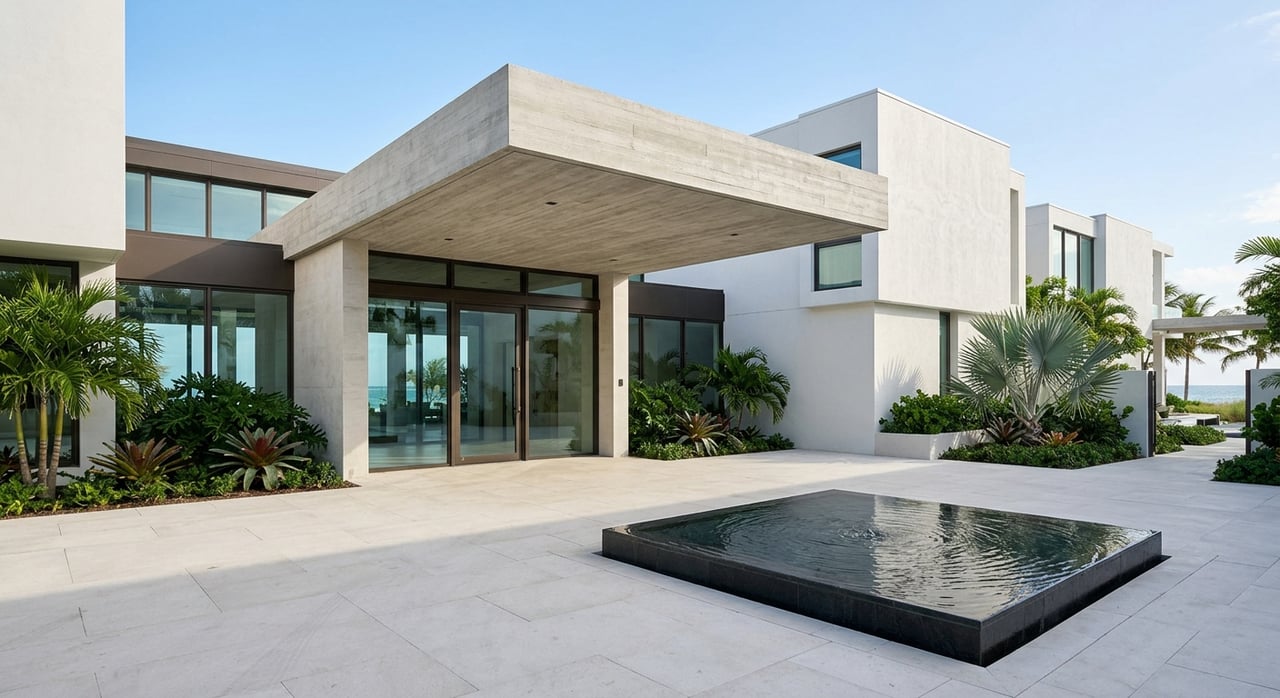
That setting gives Bahía Beach a more private, residence-forward personality. Public-facing offerings include beachfront residences, custom-built estates, and oceanfront homes such as Villa Caribe and Villa Santuario residences.
If you are looking for a second home with a polished, low-friction ownership experience, this type of community may appeal to you. Amenities highlighted by Four Seasons include swimming, kayaking, spa experiences, golf, nature treks, dining, and curated resort experiences.
Rio Mar presents a different kind of resort environment. Wyndham describes the property as a 600-acre sanctuary between the Atlantic and the base of El Yunque, with a private beach, three lagoon-style pools, two hot tubs, an on-site spa, 13 tennis courts, two 18-hole golf courses, a casino, and family activities.
In practical terms, Rio Mar tends to feel larger and more amenity-dense. Buyers who want a visibly active resort setting with golf, tennis, pools, and a broad hospitality footprint often find this corridor especially appealing.
This area also gives you more than one ownership-style reference point. Margaritaville Vacation Club - Rio Mar is marketed as an oceanside condo resort with spacious vacation suites and private balconies, which helps show how condo-style and club-oriented products can exist within the same broader resort corridor.
Not every second-home buyer wants a branded resort residence. Standalone condominium communities can offer a more focused ownership model while still delivering many of the lifestyle benefits people want in Río Grande.
Grand Bay Beach Club is one example. Located in Barrio Herrera on PR-187 Km 24.9, the community highlights direct beach access, swimming pools, gazebo and recreational areas, and 24/7 security.
For some buyers, this type of property strikes the right balance. You may get a beachfront lifestyle and shared amenities without stepping fully into a hotel-residence format. At the same time, condo documents still matter, especially if you care about rental use, guest policies, or ongoing assessments.
Before you fall in love with a view or amenity package, take a step back and define how you want to use the home. A second home can be a personal retreat, a part-time residence, or a property you hope to use occasionally for rental income, but those goals do not always point to the same type of asset.
A branded residence may offer a smoother, more service-oriented experience. A condo community may offer a different cost structure and a different set of rules. A villa or club-style product may come with its own usage model. The right answer depends on what matters most to you.
Ask yourself:
Mortgage payment is only part of the picture. In Río Grande’s resort communities, your true carrying cost usually includes several recurring line items that can materially affect affordability.
Puerto Rico’s property-tax system is not a single flat rate. The tax code includes a 1.03% special state contribution on non-exempt property, and municipalities may also add their own property-tax components or exemptions. Because treatment can vary by parcel, classification, exemption status, and location, you should verify the actual property-level tax bill before closing.
If you are buying in a condominium, there are usually additional recurring costs. Under Puerto Rico’s Condominium Act, these can include common-expense assessments, insurance premiums, reserve-fund obligations, and other approved expenses.
Special assessments also matter. Even if a monthly fee looks manageable today, future building projects, insurance changes, or reserve needs can affect total ownership cost over time.
A second home in a coastal market should come with a realistic risk review. NOAA notes that coastal communities face hurricanes, coastal storms, sea-level rise, storm surge, and erosion. Hurricane season runs from June 1 through November 30.
That makes insurance and storm planning part of the ownership conversation, not an afterthought. FEMA guidance also states that flood insurance is strongly recommended in high-risk areas, even when it is not required by a government-backed mortgage.
For a Río Grande purchase, it is smart to review flood-zone status, available insurance options, and what it will take to secure and maintain the property if it sits vacant for part of the year. This is especially important for second-home owners who are off-island for extended periods.
Many buyers assume a second home in a resort area can easily double as a short-term rental. In Puerto Rico, that answer depends on the property’s legal structure, governing documents, and your compliance steps.
Puerto Rico Tourism Company guidance states that if a property is rented for less than 90 consecutive days, the owner must register as an innkeeper, charge a 7% room-occupancy tax on the room rate, and file monthly tax declarations by the 10th day of the following month. That guidance applies to studios, apartments, homes, villas, and other short-term rental properties.
For condominiums, Act 129 provides that short-term apartment rental is allowed unless the master deed or bylaws expressly prohibit it or set a minimum rental period. The bylaws may also impose a minimum-night stay and a special monthly fee that cannot exceed the maintenance fee.
That is why resort lifestyle and rental flexibility are not the same thing. A unit may be perfect for personal use but more limited for rental use, or vice versa.
If your use begins to look more like an operating business than casual owner-only use, permit questions can become part of the conversation. In Puerto Rico, OGPe is the agency responsible for coordinating permits, licenses, certifications, and the Permiso Único for business operation.
You do not need to assume every second home will trigger the same process. You do need to verify what applies to the exact property and your intended use.
Some buyers exploring Puerto Rico also ask whether a second-home purchase automatically connects to Act 60 incentives. It is important to keep those issues separate.
According to the official incentives brochure, the resident-individual investor category requires bona fide residency in Puerto Rico and an eligible activity. In other words, Act 60 is not a built-in feature of buying a second home in Río Grande.
If tax incentives are part of your broader Puerto Rico plan, treat that as a separate legal and tax analysis. Do not assume a resort purchase alone creates eligibility.
Before you commit to a specific unit, focus on the details that most often change usability and long-term cost. In this market, small differences in documents and property conditions can have a big impact.
Use this checklist as a starting point:
Río Grande offers a compelling second-home mix for buyers who want resort living, beach access, and close proximity to El Yunque and the San Juan area. Whether you are drawn to the nature-reserve feel of Bahía Beach, the larger activity-driven environment of Rio Mar, or a standalone beachfront condo community, the best purchase is the one that fits your lifestyle and your actual usage plan.
The key is to look beyond the brochure. Amenities matter, but so do bylaws, taxes, insurance, and the practical realities of part-time ownership. If you want help comparing Río Grande resort communities and identifying the right second-home match for your goals, schedule your private consultation with ARK Real Estate LLC (ARK Real Estate).
Stay up to date on the latest real estate trends.
We work with clients and properties all over Puerto Rico, including the islands of Vieques and Culebra, which helps us stand out. We believe having a vast reach and making these connections are important for us to give the best options to our clients.