San Juan Condo vs House: How to Choose Well
Trying to choose between a condo and a house in San Juan? You are not alone, and the right answer is rarely about one property type being “better” than the other. It usually comes down to how you want to live, what level of responsibility you want to take on, and how comfortable you are with the costs and rules that come with each option. If you are weighing convenience against control, this guide will help you sort through the tradeoffs with more confidence. Let’s dive in.
In San Juan, the condo-versus-house decision is really a lifestyle and ownership decision. A condo often gives you a more convenient, lock-and-leave setup, while a house usually gives you more privacy, outdoor space, and freedom to make changes.
That difference matters in daily life. With a condo, you share common elements and common expenses through an owners association. With a house, you typically handle repairs, insurance, and upkeep more directly on your own.
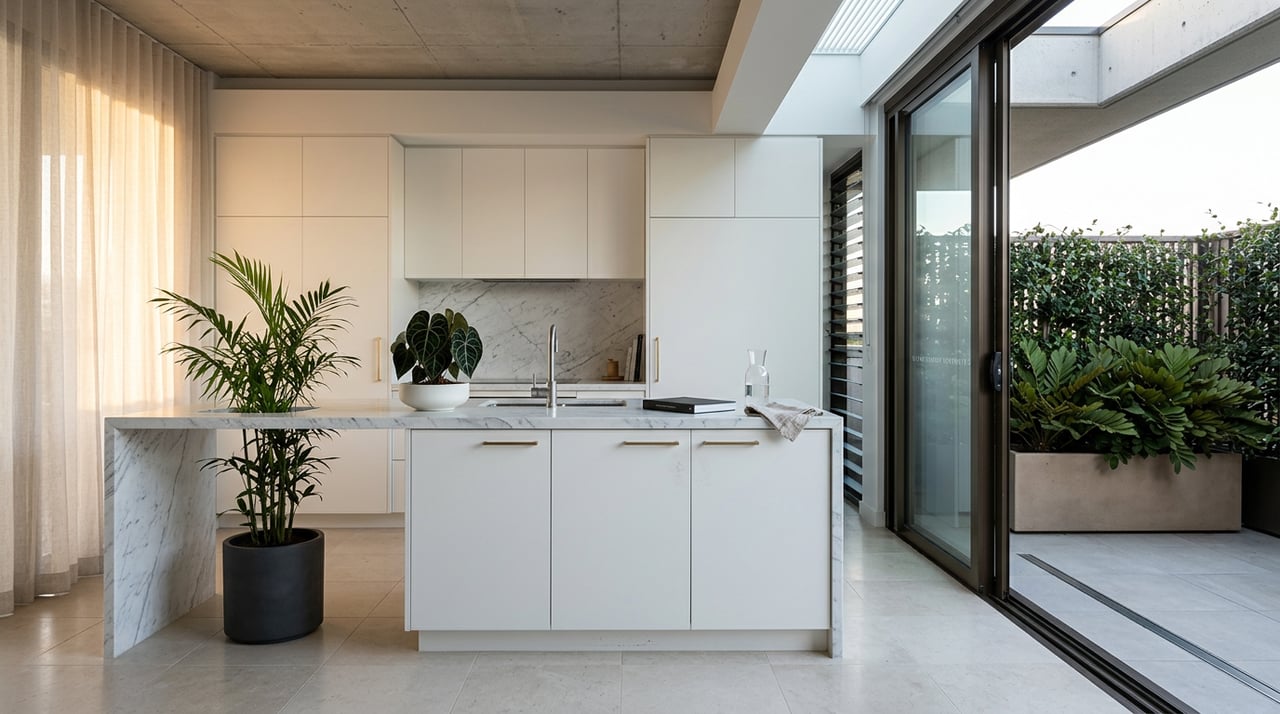
For many buyers, condos fit the pace and layout of urban San Juan. They are often tied to areas with strong access to the beach, dining, and city living, and they can be easier to manage if you split your time between Puerto Rico and somewhere else.
A condo may be a better fit if you want less day-to-day maintenance and prefer shared amenities over maintaining your own yard or exterior. That can be especially appealing for second-home buyers, relocation clients, or anyone who wants a home that is easier to leave for stretches of time.
One of the biggest points to understand is that condo ownership comes with monthly dues. These dues are usually paid separately from your mortgage, and they can range from a few hundred dollars a month to more than $1,000.
That does not automatically make a condo more expensive than a house, but it does change how you should budget. You are paying for shared operations, building maintenance, and other common expenses, so the monthly number on paper is only part of the story.
In Puerto Rico, condo associations have a formal legal structure. The owners association has legal personality, common-expense debt can become a lien on the apartment, and the annual budget must include a reserve fund of at least 5% of the year’s operating budget.
That structure can be helpful because it creates a framework for managing the building, but it also means shared governance is part of ownership. You may need to follow building rules, allow access for repairs or emergencies when needed, and stay informed about how the association is operating.
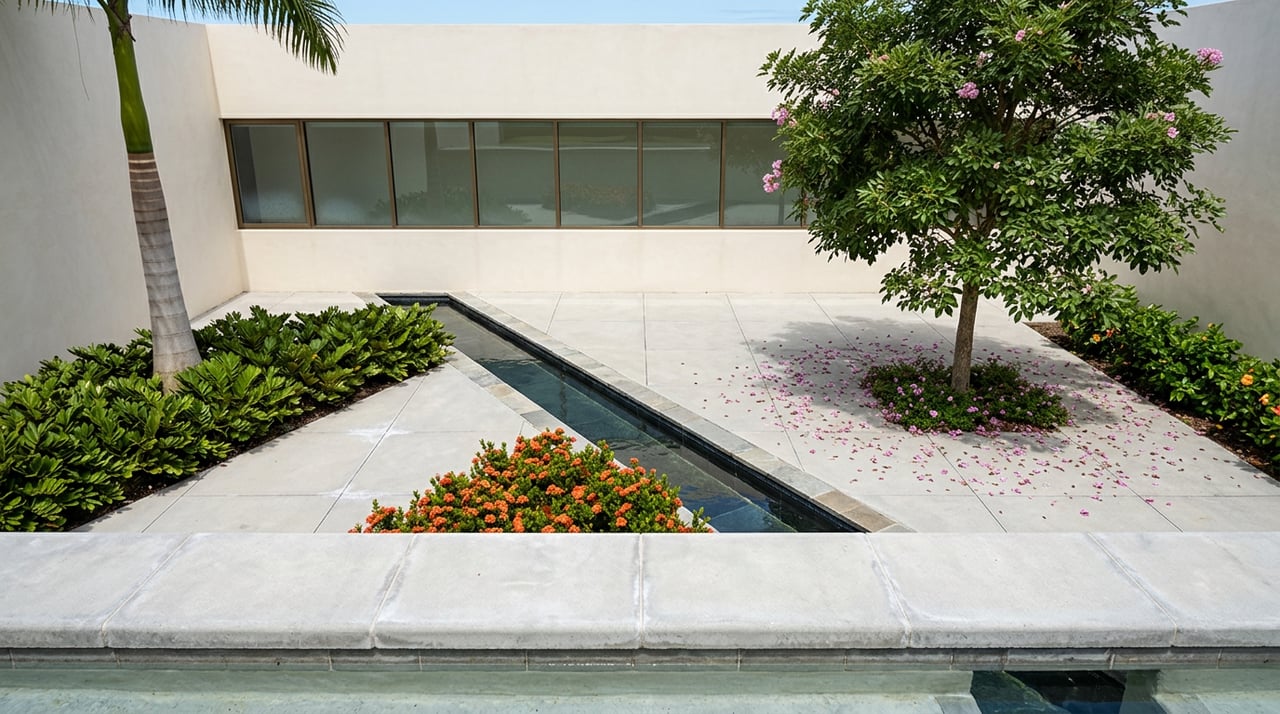
A house usually offers more autonomy. If you want more privacy, more room, or the ability to personalize the property without building-level oversight, a detached home may feel like the more natural fit.
Many buyers also prefer houses because of outdoor space. If a yard, guest space, pet space, or future additions matter to you, a house often gives you more flexibility than a condo.
That added control comes with more direct responsibility. In a house, repairs, exterior upkeep, insurance decisions, and general maintenance are usually your responsibility rather than something handled through a shared association.
For some buyers, that is a benefit. For others, especially people who travel often or want a simpler ownership experience, it can feel like too much to manage.
Financing a condo can be more layered than financing a house because lenders may review the entire condo project, not just your unit. That review can include the project’s insurance, financial health, legal disputes, structural condition, and whether it meets approval standards.
This is one reason condo due diligence matters so much in San Juan. A unit that looks perfect on the surface may still create financing challenges if the building itself does not meet lender requirements.
This is especially important if you are buying with rental plans in mind. Fannie Mae says projects that operate like hotels or manage daily or short-term rentals are ineligible for conventional financing.
If you are considering a condo as a personal retreat, an income property, or a future flexible-use asset, you need to understand the building’s rental environment early. That is not a detail to leave until the end of the transaction.
When you buy a condo in San Juan, reviewing the unit itself is only part of the process. You also need a clear picture of the building and the association behind it.
Key items to review include:
These details help you understand not just what you are buying, but how the property may function financially and operationally after closing.
In San Juan, condos and houses do not appear evenly across the city. Current market patterns show dedicated condo inventory in places like Condado, Miramar, and Old San Juan, while areas like Cupey and Ocean Park show dedicated single-family inventory.
That does not mean every property in those areas fits one mold, but it is a useful signal. Dense coastal and historic areas tend to lean condo and mixed-use, while more residential pockets tend to show stronger house inventory.
San Juan’s citywide median listing price was $649,000 in May 2026. Within the city, Condado was at $1.112 million, Viejo San Juan at $810,000, and Santurce at $719,000.
These numbers show that some of San Juan’s more urban and condo-heavy submarkets can carry a premium. If your budget is fixed, your property-type choice may also become a location choice.
If you are stuck between a condo and a house, asking better questions usually brings clarity. Instead of starting with style or curb appeal, start with ownership reality.
Ask yourself:
These questions bring your decision back to everyday use, long-term cost, and risk tolerance.
No matter which property type you choose, local due diligence is essential. Before closing, buyers should verify title and liens in Puerto Rico’s Property Registry and check flood risk through the Planning Board’s official flood portal.
If you plan to rent the property short term, you should also confirm the applicable registration and room-tax rules. In Puerto Rico, short-term rentals under 90 consecutive days require innkeeper registration, and they are subject to a 7% room occupancy tax.
A condo is often the better fit if you want convenience, shared amenities, and a home that is easier to manage from afar. A house is often the better fit if you want privacy, outdoor living, and more control over how the property is used and maintained.
In San Juan, the smartest decision is usually the one that matches your real lifestyle, not just your first impression of the property. When you weigh ownership structure, monthly costs, financing, and future plans together, the right choice becomes much easier to see.
If you want tailored guidance as you compare neighborhoods, buildings, and single-family options in San Juan, ARK Real Estate LLC (ARK Real Estate) can help you evaluate the tradeoffs with clarity and confidence.
Stay up to date on the latest real estate trends.
We work with clients and properties all over Puerto Rico, including the islands of Vieques and Culebra, which helps us stand out. We believe having a vast reach and making these connections are important for us to give the best options to our clients.