Starting a luxury condo search in San Juan and not sure where to begin? Each neighborhood offers a different blend of beach access, services, architecture, and price. With the right guidance, you can match your priorities to the buildings and amenities that fit you best. Below, you’ll find clear neighborhood profiles, typical price bands, and the key due-diligence steps that help you buy with confidence. Let’s dive in.
San Juan condo neighborhoods
Condado
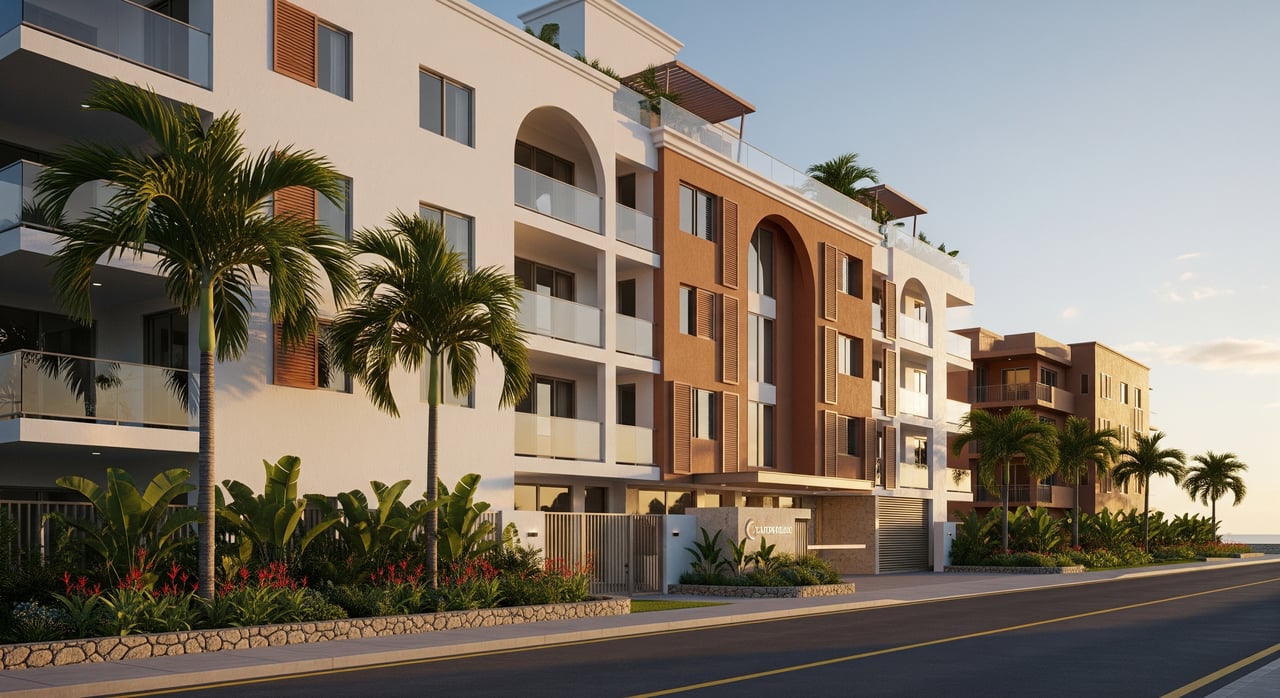
Condado is San Juan’s urban beachfront hub along Ashford Avenue, known for walkability, ocean views, dining, boutiques, and hotel energy. Buildings are mainly mid- to high-rise towers, many with balconies oriented to the water. Luxury amenities commonly include 24/7 concierge, secure covered parking, pools and sun decks, fitness centers, and backup generators. You’ll like Condado if you want urban beach living with easy access to restaurants and services.
Typical price bands:
- Entry luxury: low $400k–$700k for smaller or older units in strong locations.
- Mid to high luxury: $700k–$1.5M for 2–3BR units in well-amenitized towers.
- Penthouses/top-tier: $1.5M+ with premium views and finishes.
Isla Verde
Isla Verde stretches along a long Atlantic beachfront just east of the international airport. It leans resort-oriented, with high-rise beachfront towers and condo-resort complexes that often appeal to vacation use and investors. Expect direct beach access, large pools, tennis or gyms, covered parking, and on-site management. If you want a resort lifestyle and strong vacation-rental demand, Isla Verde is a fit.
Typical price bands:
- Entry luxury: roughly $400k–$700k for 1–2BR in older towers or smaller footprints.
- Mid-tier: $700k–$1.3M for renovated units or newer towers with strong amenities.
- Top-tier/penthouses: $1M–$3M+ depending on size, orientation, and finishes.
Miramar
Miramar borders Condado and Old San Juan and feels more intimate and historic, with quieter streets and a creative dining scene. Buildings skew boutique, including condo conversions and low- to mid-rise modern developments. Amenities vary; many buyers choose Miramar for location and neighborhood character rather than full-service packages. Consider Miramar if you want walkability to culture and dining with a quieter vibe.
Typical price bands:
- Entry luxury: mid $300k–$600k for renovated units in smaller buildings.
- Mid-tier: $600k–$1.2M for larger condos or boutique developments.
- Top-tier: $1M+ for large, renovated or rare full-floor residences.
Old San Juan
Old San Juan is the historic walled district with cobblestone streets and heritage architecture. Condo inventory is limited due to preservation rules, and units are often unique, in low-rise historic buildings. Amenities tend to be lighter, with occasional rooftop terraces, private patios, or small pools; the draw is character, views, and proximity to cultural sites. Choose Old San Juan if you value history and a distinct urban lifestyle over resort-style services.
Typical price bands:
- Entry luxury: $400k–$800k for smaller historic units.
- Mid to high tier: $800k–$2M+ for larger renovated properties with terraces, sea views, or exceptional historic features.
What defines luxury in San Juan
San Juan luxury condos emphasize resilience, services, and views. When you tour, use this checklist to evaluate quality:
- Security: 24/7 concierge or doorman, gated access, CCTV.
- Elevators: Multiple passenger and service elevators in larger towers.
- Parking: Assigned, secure covered parking. This is critical in older areas.
- Power resiliency: On-site generators sized for elevators and common areas, sometimes partial or full in-unit circuits.
- Systems: Central or split A/C, backup water systems, impact-rated windows, hurricane-resistant doors.
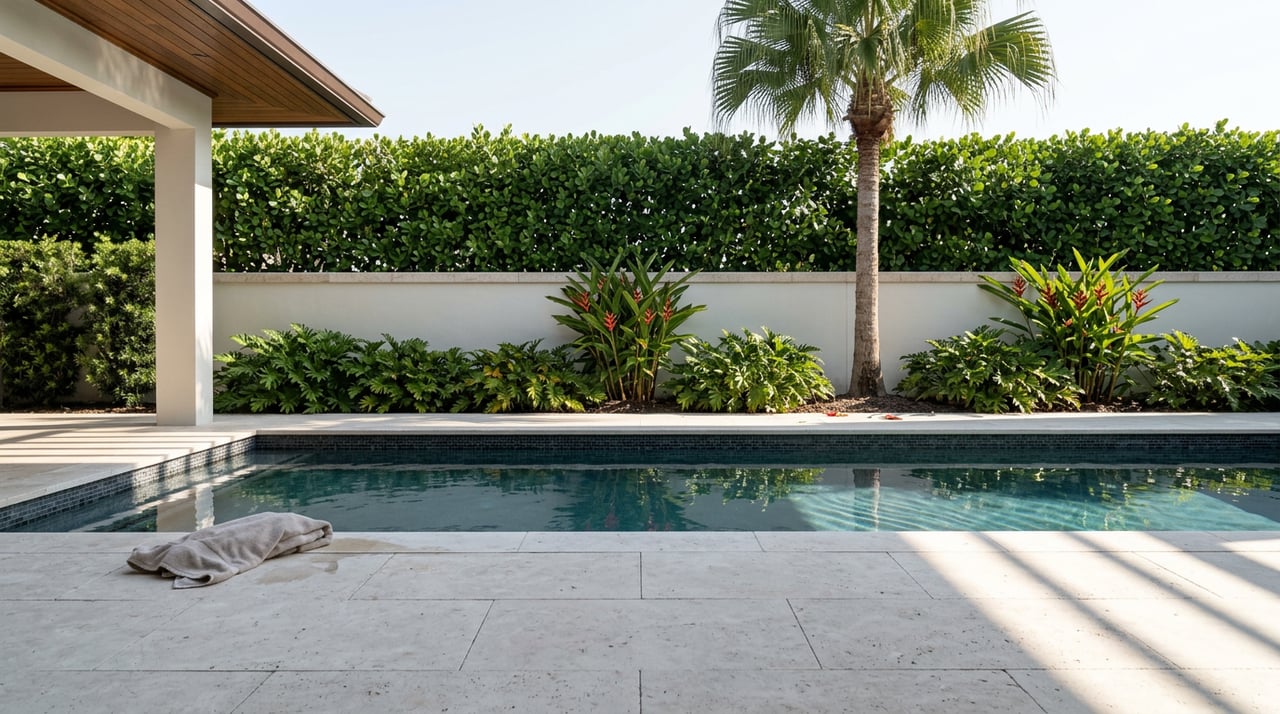
- Recreation: Ocean-view pools, fitness centers, spas/saunas, roof decks, and beach paths where available.
- Services: On-site management, maintenance, valet, and concierge partnerships in select buildings.
- Finishes: High-end kitchens and baths, smart-home wiring, and reserved storage.
What shapes price
Prices in luxury buildings are driven by several factors:
- View and orientation: Direct ocean, bay, or city views and higher floors command premiums.
- Amenities and services: Full-service towers with robust staffing and generators cost more.
- Size and layout: Larger 2–3BR units or unique layouts price higher.
- Parking: Assigned covered spaces add value.
- Condition: Renovated, move-in-ready units with premium finishes increase pricing.
- Rarity: Historic or trophy units have more volatile pricing due to scarcity.
Inventory at the top end is limited, so prices for penthouses and one-of-a-kind residences can swing more based on timing and competition. Market activity also reflects tourism trends, local economic cycles, and post-hurricane repair and upgrade projects.
Budget beyond the purchase price
Your monthly carrying costs matter as much as your purchase price. Plan for these items:
- HOA fees: Higher in luxury buildings due to security, generators, insurance, and pool or deck upkeep.
- Property taxes: Vary by assessed value and municipal rules; primary residences may have exemptions.
- Insurance: Wind and flood insurance can be significant in oceanfront zones. Review the building’s master policy and your HO-6 needs.
- Utilities and fuel: Backup generator fuel and maintenance, higher A/C usage, and water costs where applicable.
- Maintenance and capital: Special assessments can arise for roofs, façades, waterproofing, elevator upgrades, and hurricane-related work.
Short-term rentals and investors
If you plan to rent, confirm building rules first. STR policies vary widely by tower and condo declaration, and municipal or tourism authorities require registration and compliance for tourist accommodations. Noncompliance can lead to fines or retroactive enforcement.
Demand tends to be strongest in beachfront or hotel-adjacent areas like Condado and Isla Verde. Miramar and Old San Juan can perform well for niche historic or urban stays. Always verify the declaration, registration steps, and tax obligations before you buy.
Resiliency and insurance
Hurricanes and coastal exposure make resiliency features a high priority. Many luxury towers use reinforced concrete and impact-rated glass, but you should still verify year of construction and recent upgrades. Ask exactly what the generator covers: elevators and common areas only, or partial to full in-unit circuits. For oceanfront properties, confirm the FEMA flood zone, elevation certificates, and required flood coverage.
Buyer due diligence checklist
Use this list to streamline your evaluation and protect your investment:
- Condo documents: Declaration, bylaws, rental rules, pet policies, renovation restrictions, voting and assessment terms.
- HOA financials: Current budget, reserve study, last audited financials, pending assessments, and insurance coverages and deductibles.
- Building condition: Recent hurricane repairs, roof or façade work, structural reports, elevator condition, generator capacity and fuel contracts, waterproofing.
- Unit inspections: Structural, HVAC, electrical and generator integration, plumbing, moisture or mold, and window integrity.
- Flood and hazards: FEMA flood zone, elevation certificates, and any historical claims data the HOA can provide.
- Title and liens: Local title search for liens, easements, and boundaries.
- Parking and storage: Assigned spots, guest parking, and storage lockers.
- Rental history: For investors, historical STR occupancy, seasonality, income, and management contracts.
- Resale comps: Compare recent sales and active listings. In low-turnover luxury buildings, broker intel and off-market data help fill gaps.
Choosing your best-fit area
- Choose Condado if you want an urban beachfront lifestyle with hotel-level services and short walks to dining and boutiques.
- Choose Isla Verde if you want direct beach access, resort amenities, and the potential to align with STR demand.
- Choose Miramar if you prefer a quieter, boutique environment near culture and dining.
- Choose Old San Juan if you value historic character, unique layouts, and proximity to cultural landmarks.
Start with your non-negotiables, like direct beach access, a full generator, or rental flexibility. Then refine by building operations and carrying costs to ensure the property fits your lifestyle and budget.
How our team supports your search
As a boutique, team-driven brokerage, ARK Real Estate pairs concierge service with market depth across San Juan. You get informed guidance on buildings and bylaws, access to on- and off-market opportunities, and organized tours that respect your schedule. For investors and relocators, our team offers advisory aligned with local requirements so you can plan purchases, rentals, and transitions confidently. When you are ready, we will coordinate with local lenders, attorneys, and insurers so your closing is smooth.
Ready to explore the right buildings and compare live inventory? Schedule your private consultation with Luis Alejandro Perez.
FAQs
What are typical prices by neighborhood?
- Condado: roughly low $400k–$700k entry, $700k–$1.5M mid to high, $1.5M+ top-tier. Isla Verde: about $400k–$700k entry, $700k–$1.3M mid, and $1M–$3M+ for top-tier. Miramar: mid $300k–$600k entry, $600k–$1.2M mid, $1M+ top-tier. Old San Juan: $400k–$800k entry, $800k–$2M+ higher tiers.
How do HOA fees work in luxury towers?
- Fees are higher due to security, generators, insurance, pools, elevators, and common-area utilities. Review the budget, reserves, and any assessment history before you commit.
Are short-term rentals allowed in luxury condos?
- It depends on the condo declaration. Some towers allow STRs and require registration with municipal or tourism authorities, while others permit only long-term leases.
What resiliency features should I look for?
- Confirm impact-rated windows and reinforced construction, generator capacity, and what the generator powers. Ask for maintenance and testing records.
Can mainland buyers finance condos in Puerto Rico?
- Yes. Lenders active on the island offer conventional and portfolio loans, though terms vary by property type and use. Local lenders and experienced brokers can outline options.
How do flood zones affect oceanfront condos?
- Many shoreline properties sit in FEMA flood zones. Your lender may require flood insurance, and costs will vary by elevation and coverage; verify elevation certificates and policy details early.